

5 star rating

4.7 / 5 by 10,000+ Satisfied Swimmers

Water Safety Starts With Confidence

A thoughtful approach to water safety for every age and every stage.

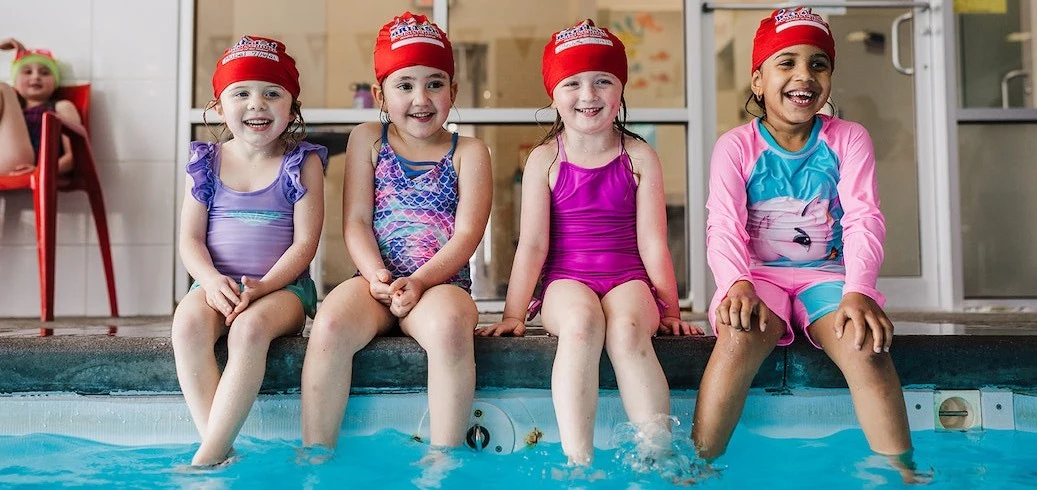
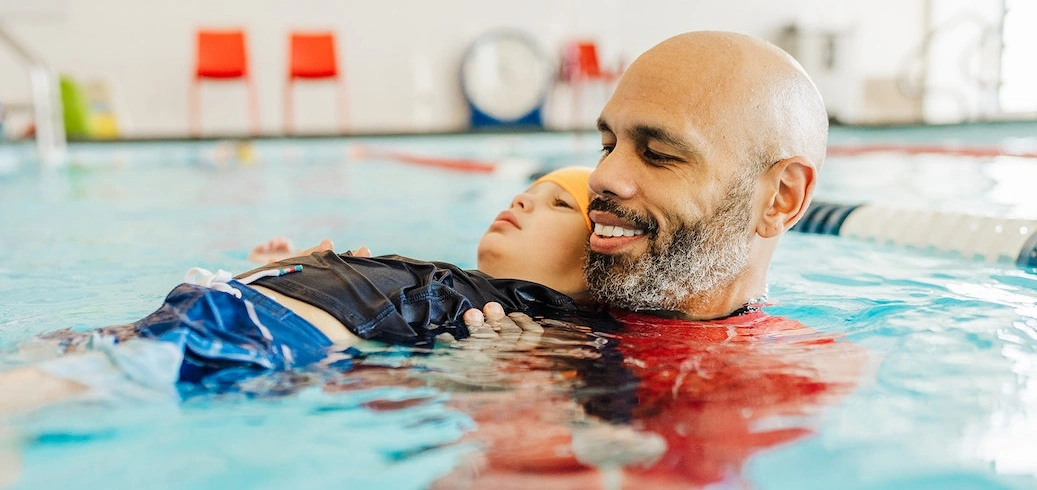
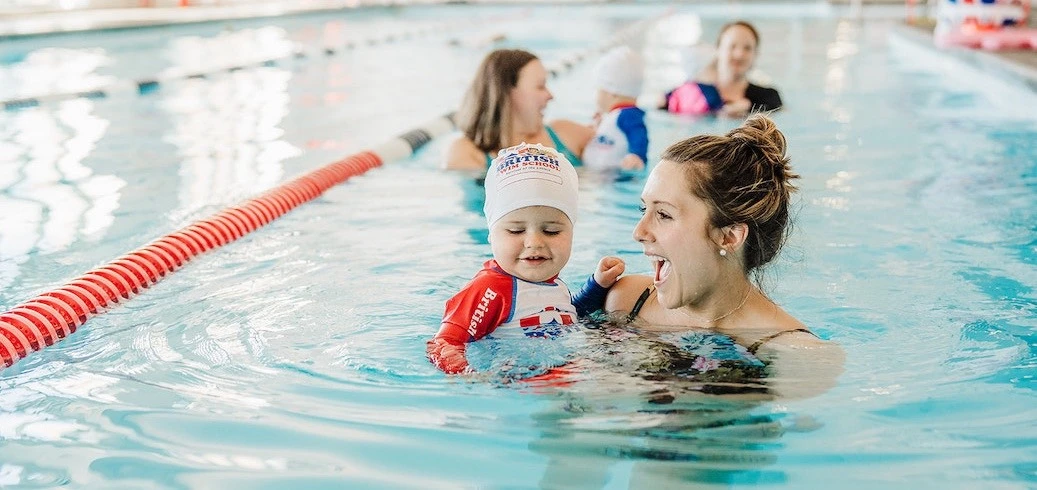
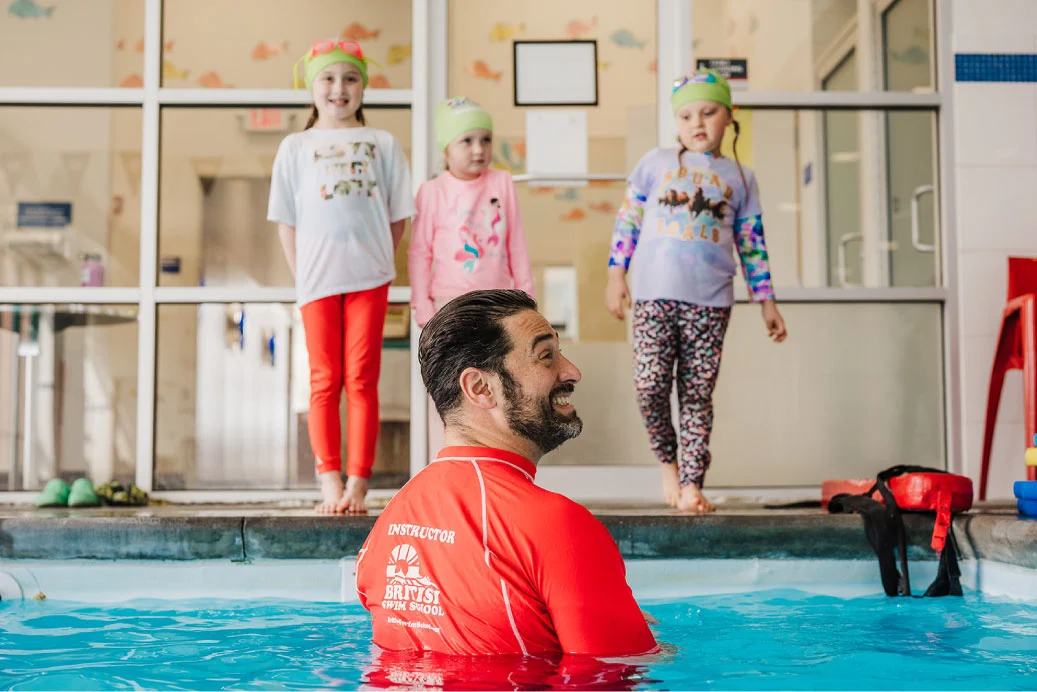
Water is everywhere — and for many families, it’s part of everyday fun. Feeling comfortable in and around the water helps swimmers feel more confident and at ease. That’s why British Swim School teaches water safety as part of every lesson. Our approach helps swimmers build comfort, awareness, and control in the water, so they feel prepared during lessons and beyond.
Understanding the Importance of Water Safety

Water is part of everyday life — across seasons, settings, and ages. Because it shows up in so many familiar moments, understanding water safety matters for everyone, especially young children. The information below provides important context around water safety and why building comfort, confidence, and awareness in the water is so important over time.

  • Drowning is a leading cause of death for children ages 1–4, who are at the highest risk.

  • While risk varies by age, no one is completely immune — even adults and experienced swimmers can encounter difficulty in the water.

  • Drowning is often silent and can happen quickly, sometimes without obvious signs.

  • In some situations, drowning can occur in less than 60 seconds if it goes unnoticed.

  • Only a small amount of water is needed for a drowning incident to occur, less than 2 inches (6 centimeters) of water.

  • For every fatal drowning, 5 non-fatal drowning incidents result in emergency or hospital-related care.

  • Formal swim instruction, combined with multiple layers of water safety, plays an important role in reducing risk.

Water Safety Tips

Water shows up in everyday moments, and a few simple habits can make a big difference. These water safety tips are meant to support families and swimmers of all ages as they build comfort, confidence, and awareness in and around the water.

Stay within arm's reach of children around water.

Swim in designated areas supervised by lifeguards.

Reach our throw aid to distressed swimmers — don't go!

Learn the signs of a swimmer in distress and basic CPR skills.

If you feel tired in the water, float on your back to rest and recover.
Store pool toys out of sight when they're not in use.

Use properly fitted life jackets for inexperienced swimmers.

Use barriers like fences and covers around pools and hot tubs.
Helpful Water Safety Resources

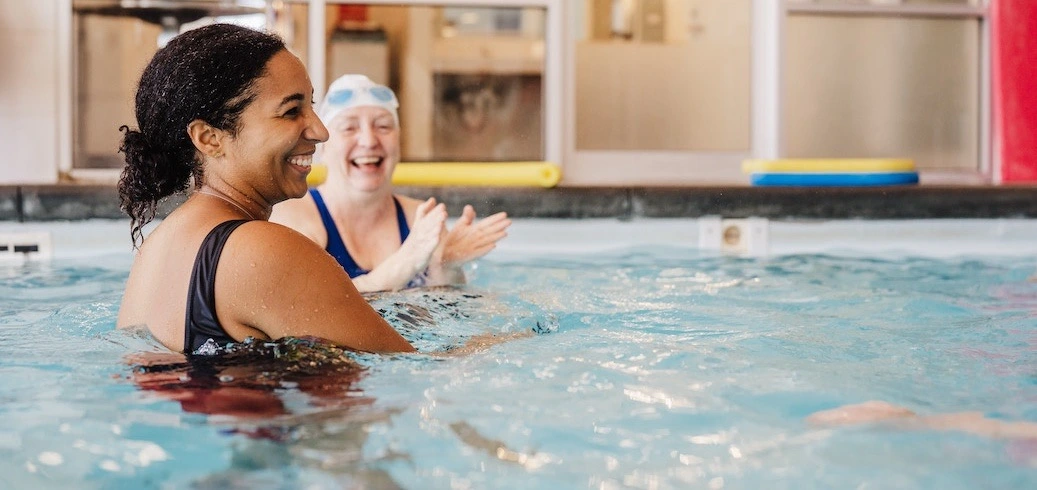
Adult swimmer practising water safety skills in the pool

Water Safety for Adults

While children are at the highest risk of accidental drowning, everyone is at risk when they’re around the water. Regardless of your age, knowing the basics of water survival could save your life or allow you to aid in saving someone else’s life. As an added benefit, educating yourself and following water safety guidelines sets an example for children and those around you to follow!

Read More
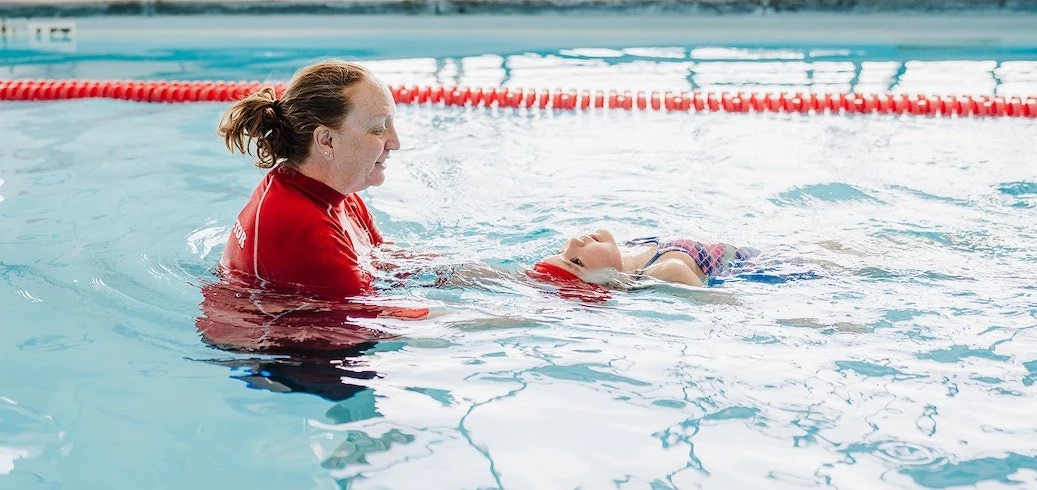
Child learning essential survival swimming skills

Foundational Water Safety Skills

According to the Centers for Disease Control and Prevention, drowning is the leading cause of accidental death for children ages 1–14, with children ages 1–4 at the highest risk. Fortunately, most drownings are preventable with the necessary water survival skills!

Read More
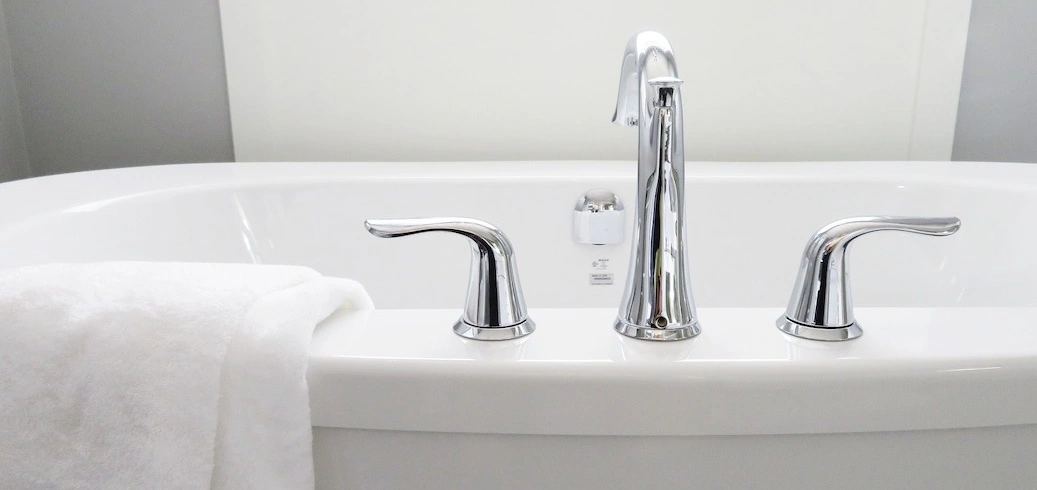
Parent supervising a toddler during bath time

Bath Time Water Safety Tips

The bathroom can be dangerous for children. Parents and caregivers can decrease the risk of an accident with proper precautions. Here’s what you can do to improve bathroom safety for toddlers and young children!

Read More
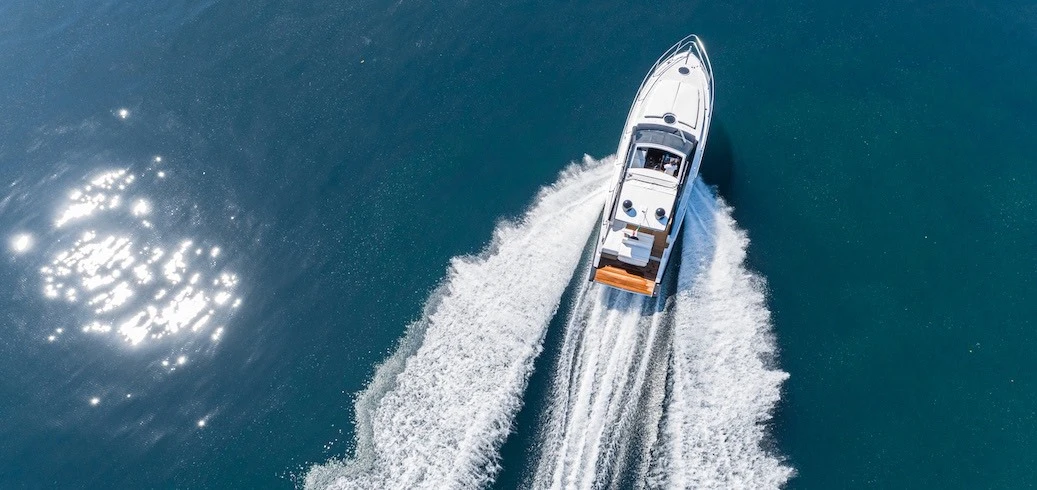
Family wearing life jackets on a boat

Boating Water Safety Tips

Boating is a popular way for friends and family to spend the day on the water. For the most part, it’s a carefree social activity – but there are many inherent risks to keep in mind. Safe boating comes from a combination of education, training, and experience. Continue reading to learn more about potential hazards and safety tips!

Read More
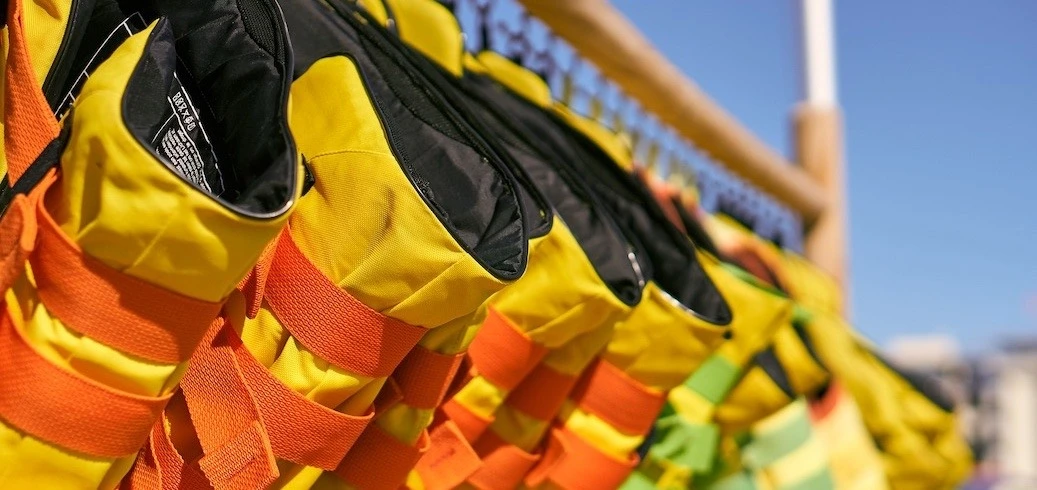
Children wearing properly fitted life jackets near the water

Life Jacket Safety Tips

Safety experts recommend that everyone wear a life jacket around the water. Like wearing a seatbelt in a car, life jackets can save your life if you encounter a hazard or fall into the water.

Read More
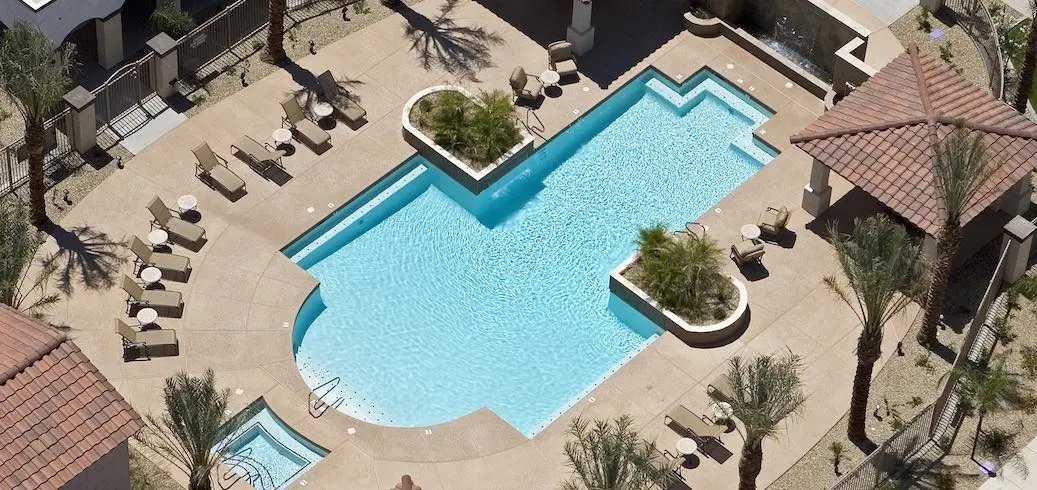
Backyard swimming pool with safety barriers

Backyard Pool Water Safety

Many parents assume that children are the safest in their backyard. In reality, backyard swimming pools can be dangerous without the proper safety precautions. The good news: Most drownings can be prevented.

Read More
Instructor teaching water safety to a child with special abilities

Water Safety Tips for Children with Special Abilities

At British Swim School, we believe that water safety is the most important reason for learning how to swim. Drowning is a leading cause of death for children, and tragically, the risk of drowning is much higher for children with special abilities, specifically those with an autism spectrum disorder (ASD). Continue reading to learn more about ASD, as well as the need for a multi-layered water safety strategy to reduce the risks of drowning.

Read More
Family learning water safety together at the pool

Water Safety Tips for Families

At British Swim School, we are dedicated to teaching water survival skills and aim to protect families from drowning and near-drowning accidents through education and water safety awareness. Continue reading for water safety and drowning prevention tips!

Read More

Find a British Swim School Near You

Enter your zip or postal code to find your local swim school!

Secret Link