
Why 3 Months Is the Perfect Starting Point for Baby Swim Lessons
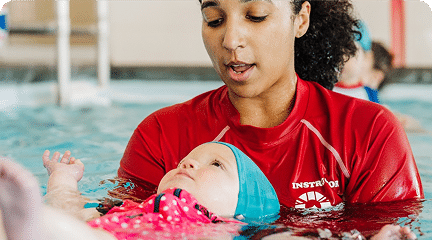
Many parents in areas like Apopka, Altamonte, and Wekiwa Springs are surprised to learn that babies may be ready to begin gentle, caregiver-supported water experiences and education as early as 3 months old. While some programs wait until 6 months, British Swim School introduces gentle, developmentally appropriate water movements during a stage when babies are especially receptive to new sensory experiences. This early window allows them to build comfort, trust, and awareness in the water long before independent movement begins.
It’s important to note that there is no “right” or “wrong” age to begin. Every baby develops differently, and families should always choose a timeline that feels comfortable and appropriate for them. When started early and guided by trained instructors with caregiver involvement, these experiences are designed to be slow, reassuring, and supportive.
What Your 3-Month-Old Can Learn
At around 3 months, the focus is not on swimming or independence. Instead, these lessons will provide calm, positive exposure that helps babies in Apopka and the surrounding communities begin to feel comfortable in and around the water. With support, they experience supported entries, secure floating positions, and gentle exposure to water on the face and head. All are introduced gradually and at the comfort level of both baby and caregiver.
The sensory benefits are equally important. Gentle resistance and new visual and auditory stimulation allow them to explore in a safe and controlled environment while strengthening positive associations with the water. Progress is measured in comfort and familiarity, not in specific skills.
Early Water Exposure and Development
The first year is a significant period of neurological development. Babies are primed for sensory learning, and gentle water time supports pathways related to motor planning, sensory processing, spatial orientation, and emotional regulation. Water provides an environment where these systems work together, helping babies adapt and learn through movement, sound, and touch. Rather than accelerating development, the goal is to support natural learning through play, repetition, and comfort.
Strengthening Parent–Child Bonding
Because caregivers participate directly in every lesson, early water experiences often strengthen trust and connection. Babies learn to associate water with the safety of a familiar touch, voice, and consistent support.
This foundation learning is available to families in Apopka, Altamonte, Wekiwa, and the surrounding areas.
Over time, babies build emotional associations such as:
- Water feels warm, calming, and fun
- Caregivers mean safety and comfort
- Learning happens gently and consistently
This emotional foundation is just as important as any physical benefit at this age.
What Makes Our Approach Different
British Swim School of Northwest Orlando focuses on discovery-based, comfort-led learning rather than performance. Instructors are trained to recognize infant cues, pace activities appropriately, and create an environment that allows babies to progress on readiness – not age-based expectations.
Small class sizes and parent-and-child participation make the experience predictable, supported, and individualized.
Is My Baby Ready?
With pediatrician approval, many babies are ready to explore the water around 3 months if they:
- can hold their head up with support,
- show engaged wake windows
- respond comfortably to gentle movement and sensory stimulation.
Readiness looks different for every baby. Success isn’t measured by distance or technique at this stage. It’s about comfort, trust, and a positive experience.
Benefits That Extend Beyond the Pool
Families across the Northwest Orlando area often notice benefits beyond swim lessons, such as improved comfort with sensory experiences, stronger early motor development, relaxed behavior following structured activity, and greater acceptance of aquatic environments. While every child’s response is different, these early, supportive experiences are often valued for helping families build confidence for themselves and their children.
 Use My Current Location