If you’re like most parents, you probably assume that keeping a close eye on your child is the most important thing you can do around water.
And you’re right, supervision matters.
But when it comes to water safety for kids, supervision alone isn’t enough.
Drowning is often a silent killer. It can happen so quickly and quietly that even nearby adults don’t notice. That’s why water safety experts recommend a layered approach to drowning prevention—one that doesn’t rely on any single strategy to keep your child safe.
Whether you’re spending the afternoon at a backyard pool, heading to the lake for a family vacation, or enjoying summer activities around Pottstown and Collegeville, understanding the fundamentals of water safety for kids can help you protect your family around the water.
Why Water Safety for Kids Matters
If your kids are like most kids, they love water. They’ll take any chance they can get to splash and play in pools, streams, lakes, splash pads, or on the beach.
But water can become dangerous in a matter of seconds.
Drowning doesn’t look the way it’s portrayed in the movies. In most cases, there’s no yelling, splashing, or visible struggle, and it can happen in as little as 30 seconds. Worse, in most cases, it happens with at least one adult nearby.
That’s why effective water safety for kids requires more than just supervision. The best approach to drowning prevention is to combine multiple layers of protection that work together to reduce risk and help keep your kids safe around water.
What Are the 5 Layers of Protection?
The National Drowning Prevention Association’s 5 Layers of Protection is a comprehensive approach to child water safety that recognizes the importance of multiple safeguards working together.
The five layers include:
- Active supervision
- Barriers and controlled access
- Water competency and swim safety skills
- Life jackets
- Emergency preparedness
Think of these layers as backup systems. If one layer fails, another may help protect your child from a tragedy.
Layer 1: Active Supervision and the Water Watcher
Active supervision means more than simply being present. When your child is near water, you should give them your full attention. That means putting away your phone, limiting distractions, and staying close enough to respond immediately if needed.
You are often your child’s first line of defense. Many water emergencies happen because adults assume someone else is watching.
Designate a Water Watcher
One of the simplest water safety tips for parents is assigning a dedicated Water Watcher.
A Water Watcher is responsible for monitoring children in and around the water without distractions.
Consider rotating Water Watcher responsibilities every 15-30 minutes during gatherings, pool parties, or family events.
Supervision Is Essential, But Not Enough
Even the most attentive parent can become distracted for a moment.
That’s why relying solely on supervision isn’t enough. The strongest water safety plan includes additional layers that help protect your child when supervision isn’t perfect.

Layer 2: Barriers and Pool Safety Measures
Many young children who drown were not supposed to be in the water at all. According to Safe Kids Worldwide, 70% of toddler drownings occur outside of planned swim time.
Barriers are important because they help prevent access to pools and other water hazards, especially when kids are unsupervised.
Pool Safety Features to Consider
If you have a backyard pool, here are some measures you can take to childproof your swimming pool.
- Four-sided pool fencing
- Self-closing, self-latching gates
- Pool alarms
- Door alarms
- Safety covers
While none of these barriers is foolproof, they give you valuable time to recognize and react if your child gets to the water without you. Even a few seconds can make all the difference.
Water Safety Basics Beyond the Swimming Pool
While swimming pool safety is often the biggest concern, keep in mind that even small amounts of water can pose a significant risk for young children. Babies and toddlers can drown in as little as 1-2 inches of water.
Be aware of smaller water hazards around your home, including:
- Bathtubs
- Kiddie pools
- Buckets
- Decorative ponds
- Hot tubs
Controlling access or adding barriers around any water hazard helps keep your child safe.

Layer 3: Water Competency and Swim Safety Skills
What Is Water Competency?
Water competency refers to the skills needed to survive and respond safely in a water emergency. These skills go beyond just learning how to swim. Water competency means knowing water safety basics and life-saving swim skills to protect yourself and others in the water.
5 Critical Water Competency Skills:
- Jump into water that’s over your head and return to the surface
- Roll over and turn around in the water
- Float or tread water
- Swim to safety
- Exit the water without a ladder
Both kids and adults need to have these basic swim safety skills to protect themselves and others around water.
Why Swim Lessons Matter
Your child won’t always have a fence between them and the water. A life jacket can be forgotten. An adult may not be within arm’s reach. But the swim safety skills your child learns travel with them wherever they go.
Formal swim lessons have been proven to reduce the risk of drowning by 88% for children ages 1-4.
When looking for swim lessons for your kids, choose a program that focuses on water safety and survival skills first, before stroke development or simply “learning how to swim.”
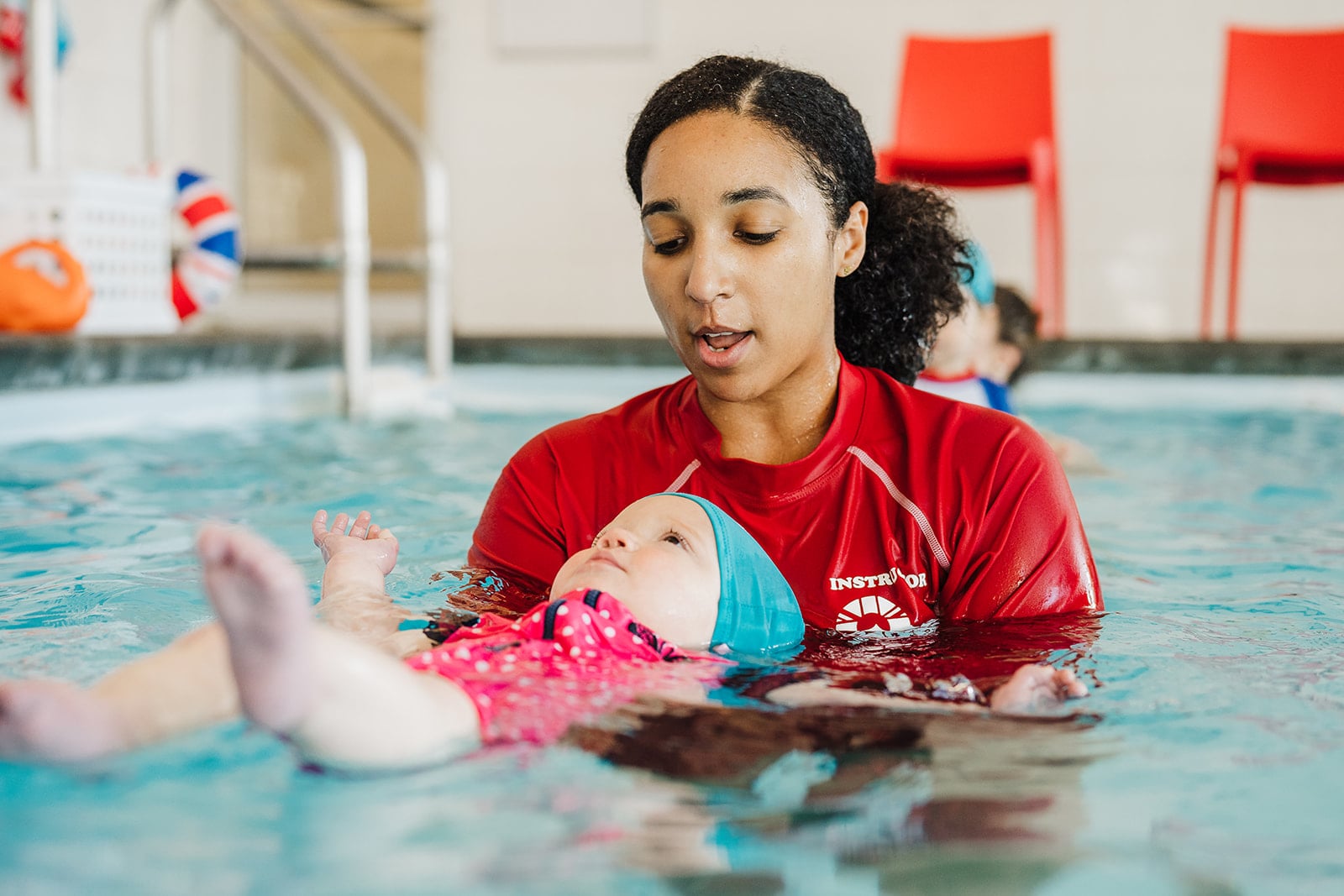
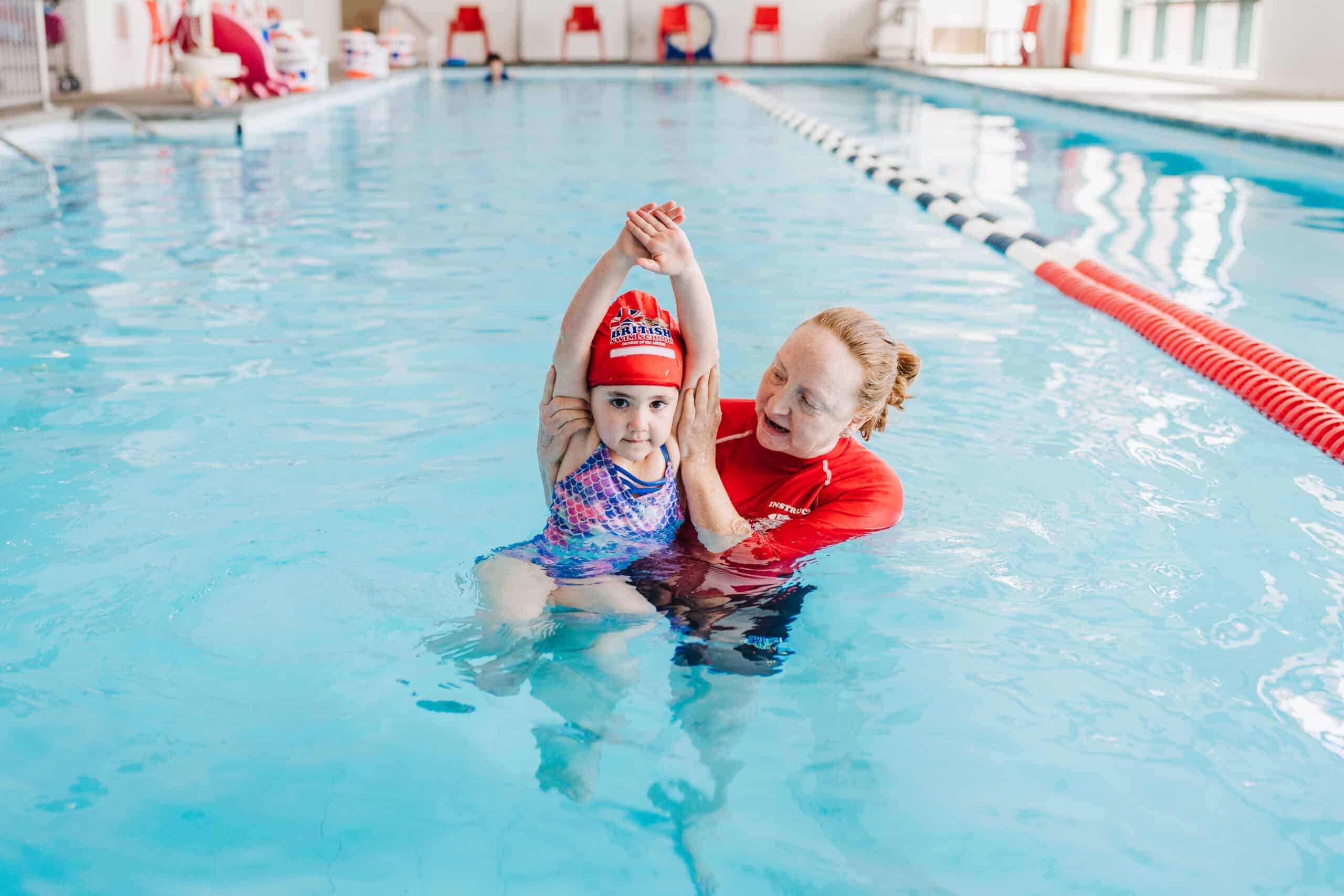
At British Swim School, our proven approach teaches water competency skills that help swimmers of all ages build confidence and respond safely in real-life situations.
When Should Your Child Start Swim Lessons?
You may be wondering when to start swim lessons.
While every child is different, it’s never too early to promote water safety for kids. Early exposure to swim safety skills and age-appropriate swim lessons help build confidence, control, and a love for water that can last a lifetime.
Related Reading: When to Start Swim Lessons: A Complete Guide for Parents
Local Water Safety in Pottstown and Collegeville
For families in Pottstown and Collegeville, access to quality swim lessons is an important part of a comprehensive water safety plan. Every swimmer deserves to be safe and confident in the water, which is why we offer survival-first swim lessons in Pottstown and Collegeville, PA for all ages.
Want to equip your child with life-saving swim skills?
>>>Explore our swim lessons in Pottstown and Collegeville

Layer 4: Life Jackets
Life jackets provide a critical layer of protection when swimming ability alone may not be enough. This is especially true when boating or around open water, such as:
- Ponds
- Lakes
- Rivers
- Oceans
- Reservoirs
- Canals
What would happen if your child was on a boat and fell off in choppy water? Even older children who know how to swim may panic or not be able to swim to safety.
That’s why life jackets are such an important part of water safety for kids. A properly fitted life jacket can help keep your child’s head above water and provide valuable time for rescue in an emergency.
Sadly, many deaths occur because people fail to put on this powerful layer of protection. In recreational boating incidents, the US Coast Guard reports that a staggering 87% of drowning victims were not wearing a life jacket.
Life jackets save lives, but only if you’re wearing them before you’re in the water.
Choosing the Right Life Jacket
When choosing a life jacket, make sure it is:
- U.S. Coast Guard-approved
- The appropriate size and weight range for your child
- Properly fastened and adjusted
- In good condition without tears or damaged straps
Remember too that inflatable toys, water wings, and pool noodles are not safety devices and should never be used as a substitute for a life jacket.
Life Jackets Are a Layer, Not a Replacement
While life jackets are an important layer of drowning protection, they should never replace supervision or water competency skills.
A life vest alone is not guaranteed to keep your child safe in the water. They can always be taken off or forgotten.
Over-reliance on life jackets can also hinder your child’s swim skills because they restrict natural swimming movement. The best way to develop water safety skills is for your child to learn to swim without flotation devices.
Together, water competency, supervision, and life jackets provide a much stronger system of drowning protection.

Layer 5: Emergency Preparedness and CPR
Emergencies are stressful at best. Terrifying at worst.
The other four layers strive to reduce risk or prevent incidents from happening in the first place. But when a water emergency does happen, having a plan in place beforehand can make all the difference.
When seconds count, you don’t want to be figuring out what to do. Here are some guidelines that should be part of your water safety plan:
Check the Water First
If a child is missing, always check the water first.
When it comes to drowning, every second matters. Checking the water first ensures the fastest response.
Call for Help Immediately
If you suspect a drowning emergency, call 9-1-1 right away or direct someone specific to make the call. Always keep a phone ready near the water.
Recognize the Signs of Drowning
One of the most important water safety basics is understanding what drowning actually looks like. Drowning is often silent, without splashing, waving, or yelling.
A person in distress may:
- Be vertical in the water
- Have their mouth at or below the water’s surface
- Be unable to call out for help
- Appear to be climbing an invisible ladder
- Have glassy or unfocused eyes
- Show little or no forward movement
If something doesn’t look right, trust your instincts and investigate immediately.
Learn CPR and Basic First Aid
If you have a backyard pool, CPR is one the most valuable skills you can have. Whenever you’re around water, make sure at least one adult has current CPR training and basic first aid skills.
Many local hospitals, community organizations, and training centers in the Pottstown and Collegeville areas offer CPR certification classes throughout the year.
Know Safe Rescue Techniques
Your first instinct may be to jump into the water to help someone in trouble. However, untrained rescuers can quickly become victims themselves.
Unless you’re professionally trained, follow the principle of reach or throw, don’t go.
Use a reaching pole, pool noodle, life ring, or other flotation device to help from a safe position, and keep those items handy on boats or near pools in case of emergency.
Preparation Creates Confidence
No parent wants to imagine a water emergency. But taking the time to learn CPR, understand the signs of drowning, and create a family emergency plan can help you respond more effectively if one occurs.
Emergency preparedness may be the final layer of protection, but it is an important one. Combined with supervision, barriers, water competency, and life jackets, it helps create a comprehensive approach to water safety for kids.
Why Swim Lessons Are an Important Layer of Protection
Swim lessons are not a guarantee against drowning. But they are the only layer of protection that travels with your child wherever they go.
If your child knows how to float, rollover, and move toward safety, they have an additional safety net that can save their lives.
Especially in the summer months, when kids spend more time than ever around water, consistent swim lessons are critical to being safe around water.
Related Reading: Why Swim Lessons Might Be the Most Valuable Skill Your Child Learns This Summer
Looking for Swim Lessons near Collegeville or Pottstown, PA?
>>>Enroll in safety-first swim lessons today!
Create a Water Safety Plan for Your Family
If you don’t already have a family water safety plan, now is the perfect time to create one that covers all 5 layers of protection:
✓ Active supervision at all times
✓ Barriers to prevent unsupervised access
✓ Swim lessons and water competency development
✓ Proper use of life jackets
✓ CPR training and emergency preparedness
No single layer can prevent every incident. Together, however, these layers create a stronger system that reduces drowning risk and keeps your kids safer around water.
Whether you’re enjoying pool days in Pottstown, spending time with family in Collegeville, splashing in the Schuylkill, or taking a summer beach trip, a layered approach to water safety can help prevent a tragedy.
Ready to take the next step in water safety for your kids?