Quick Answer: Colorado has far fewer backyard pools than coastal states, but kids here are regularly exposed to open water (reservoirs, lakes, hotel pools, and mountain streams) that carries more risk than a backyard pool ever would. Survival swim skills, especially the back float, matter more in Colorado, not less.
The Backyard Pool Myth
When parents picture swim lessons, they often picture backyard pool parties, splash pads, and long summer days at the neighborhood HOA pool. Because backyard pools are relatively rare in the Rocky Mountains compared to warmer coastal states, it’s easy for busy Colorado parents to think: “We don’t have a pool at home, so swim lessons can wait.”
But living in Colorado means families are constantly surrounded by water in dynamic, non-pool environments, and that changes the safety math.
Why the Colorado Lifestyle Revolves Around Water
From weekend paddleboarding trips at Chatfield Reservoir to boat outings at Cherry Creek, family getaways to local hot springs, or a stay at a ski resort with an indoor pool, Colorado families live active, outdoor-focused lives built around water.
Open water, including lakes, reservoirs, and mountain streams, presents hazards that a backyard pool simply doesn’t:
- Currents that can pull a child away from shore
- Cooler water temperatures that trigger gasping and panic faster than pool water
- Varying, unpredictable depths near docks and drop-offs
- Murky visibility that hides hazards and makes a submerged child harder to spot
Basic water safety skills are essential long before a child ever sets foot near one of these environments.
Survival Skills Work in Any Water
At British Swim School, the primary focus isn’t just stroke mechanics for speed. It’s teaching survival self-rescue skills that transfer to any water environment, pool or not.
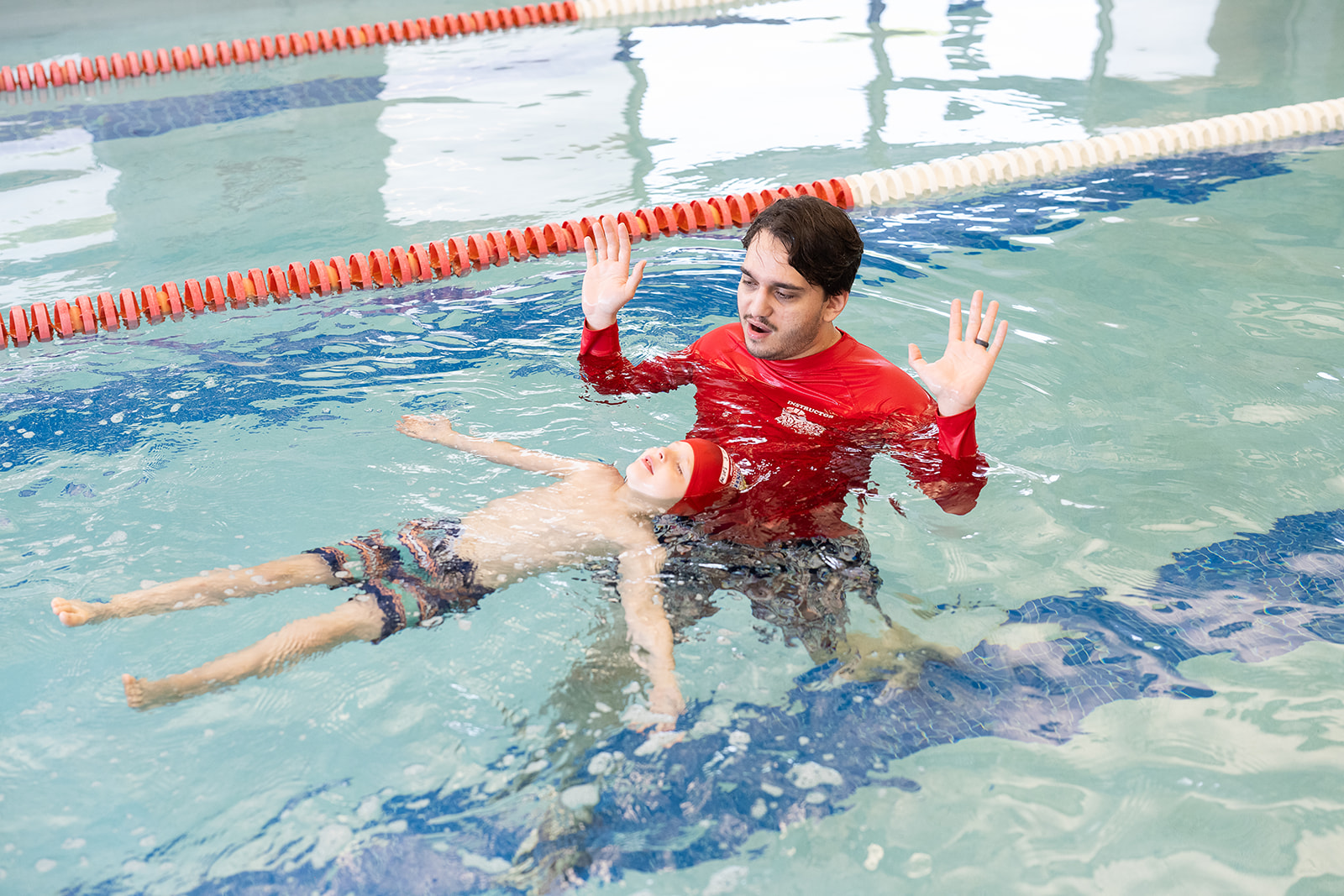
If a child falls into a lake while playing on the shore, slips off a dock, or becomes disoriented in a crowded hotel pool, the most critical skill they can have is the ability to roll onto their back and float independently. This survival float lets a swimmer rest, breathe, and call for help without panicking or exhausting themselves, whether that’s in 4 feet of chlorinated water or a cold mountain reservoir.
Whether your family spends weekends hiking near local lakes, visiting water parks along the Front Range, or traveling out of state, survival swim skills are safety gear your child wears wherever they go.
FAQ
Do Colorado kids need swim lessons if we don’t have a pool? Yes. Colorado families regularly encounter open water at reservoirs, lakes, and hotel pools on ski trips, so children need survival swim skills even without a backyard pool.
What is the most important swim skill for open water safety? The survival back float. It lets a child rest, breathe, and call for help independently if they fall into water unexpectedly, in a lake or a pool.
How is open water different from pool swimming? Open water adds currents, colder temperatures, uneven depths, and murky visibility, conditions that require different safety instincts than a controlled pool environment.
At what age should Colorado Springs area kids start swim lessons? Most swim schools, including British Swim School, offer lessons starting as young as 3 months, with survival floating skills introduced early and built on as children grow.
Ready to prepare your child for any aquatic adventure? Find swim lesson openings near you today, or take our helpful quiz to determine the best class level for your child.
Reference: American Red Cross — Open Water Swimming Safety Standards and Drowning Prevention Guidelines.